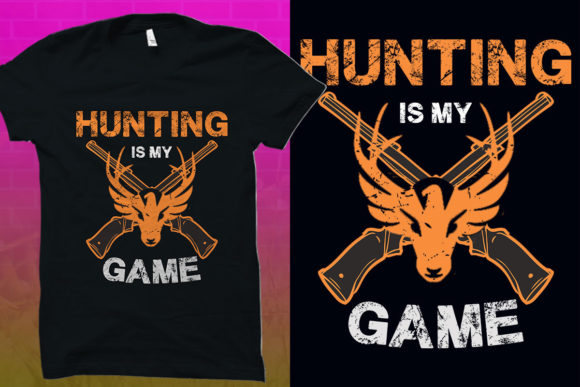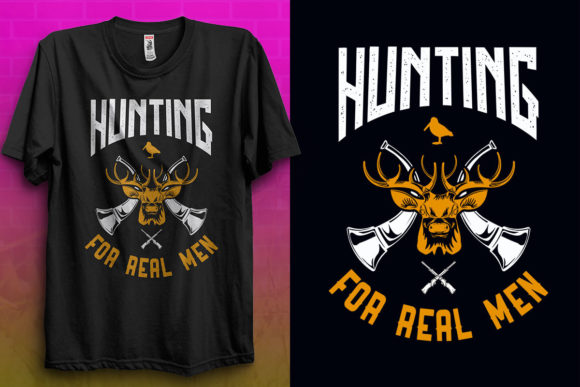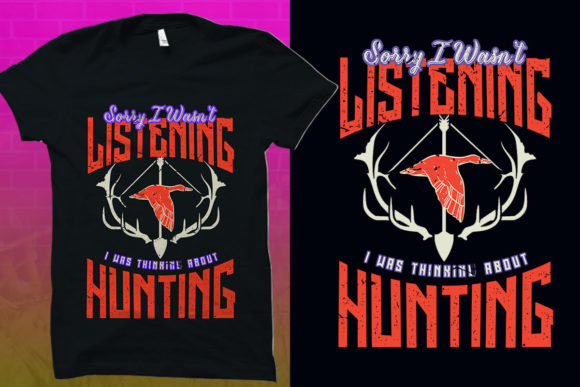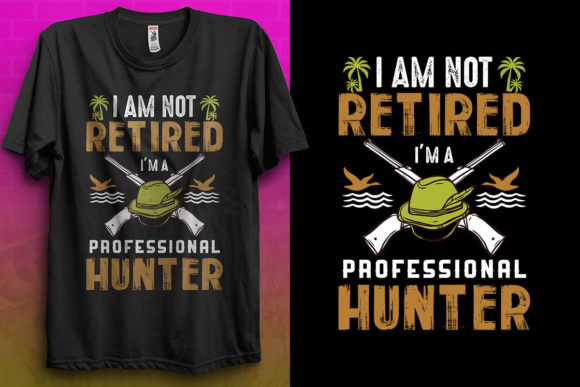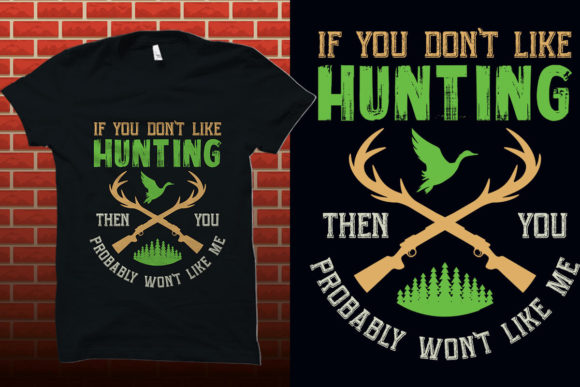
Hunting T Shirt, if You Don’t Like
A Designer’s First Look: Bold, Brash, and Built for Personality
When Hunting T Shirt, if You Don’t Like landed in my inbox, I paused—not because it’s subtle, but because it’s so unapologetically direct. The phrase “If you don’t like hunting then you probably won’t like me” carries a wink-and-a-nod confidence that reads more like a backyard BBQ conversation than a generic slogan. As an embroidery designer who’s stitched everything from nursery rhymes to wedding monograms, I immediately asked: What kind of finished product does this actually serve best? Not just as a graphic—but as a machine embroidery design with real-world wear, wash, and emotional resonance.
Real-Life Test: Embroidering It on a Linen-Cotton Tote Bag
Last week, I used Hunting T Shirt, if You Don’t Like for a custom embroidered tote bag—intended for a small-town craft fair booth where outdoorsy humor sells well. I chose a medium-weight natural linen-cotton blend, medium-brown thread on cream fabric, and a 4x4 hoop. Right away, the layout made sense: centered, horizontal, clean line spacing, no intricate flourishes or tiny icons competing for attention. That’s smart. It means fewer stitch-density headaches, less risk of puckering on textured fabric, and better legibility at arm’s length. The lettering isn’t overly condensed—no “i” dots vanishing into fill stitch noise. And while it’s marketed as a 4th of July Design, its tone leans more year-round Americana than fireworks-only. That flexibility matters for small shop owners building cohesive seasonal collections.
Where It Shines—and Where It Needs Care
Hunting T Shirt, if You Don’t Like works beautifully on stable, medium-to-heavy fabrics: sweatshirt embroidery, aprons, pillow covers, tea towels, and even structured caps (if digitized with proper underlay and reduced density). Its strength is clarity—not complexity. That makes it ideal for custom apparel where readability trumps ornamentation.
But here’s what I watched closely:
- Small hoop sizes: It fits cleanly in a 4x4, but avoid cramming it into anything smaller—the lowercase “g” and “y” need breathing room to stitch cleanly.
- Stretchy or thin fabric: On lightweight jersey tees or baby onesies, I’d add tear-away + cutaway stabilizer combo. The text weight holds up, but loose weave can blur edges without support.
- Dark fabric: Works well in light thread (ecru, white, pale yellow), but avoid pastel pinks or mint—contrast drops fast. Always test a black-and-white mockup first.
- Curved surfaces: On caps or curved pillow seams, keep the design narrow and centered—no wide banners that distort across the crown.
More Than Just Stitches: How It Shapes Perception
As a handmade product, Hunting T Shirt, if You Don’t Like doesn’t whisper—it introduces itself. That changes how customers engage. On Etsy, it attracts buyers who want personality-driven personalized gifts, not safe stock phrases. In a boutique setting, it signals authenticity—handmade presentation meets confident voice. But that also means it needs thoughtful placement: a bold chest embroidery on a flannel shirt reads differently than the same phrase stitched delicately on a baby blanket (which, honestly, I’d skip—tone mismatch).
For commercial embroidery clients—say, a lodge or outfitter ordering staff apparel—it builds brand consistency through shared values, not logos. And for craft business owners bundling digital products, this design stands out in listings because it’s 100 editable: swap fonts, adjust spacing, recolor thread palettes, or isolate letters for monogram-style variations. That adaptability is gold for Etsy sellers managing multiple SKUs.
Practical Designer Notes Before You Stitch
Before committing to your first finished product, run these checks:
- Test on scrap fabric first—especially if using textured weaves or blends.
- Review stitch density in your embroidery software. If the file feels heavy in the “t” crossbars or “o” curves, reduce fill density by 5–10% for smoother flow.
- Confirm hoop size compatibility with your machine. Even if labeled “4x4,” some versions stretch margins.
- Inspect small details like apostrophes and period placement—tiny elements vanish if digitized too tightly.
- Use proper stabilizer: medium cutaway for knits, tear-away for stable wovens, fusible for lightweight linens.
- Check licensing before selling embroidered items commercially—or reselling the digital embroidery file. The listing says “Fully Updated” and “Print Ready,” but verify usage rights for your specific business model.
Final Thought: A Design That Earns Its Space
Hunting T Shirt, if You Don’t Like isn’t trying to be everything. It’s a focused, character-forward T-Shirt Design that thrives when matched with the right product, audience, and execution. It’s not delicate enough for heirloom baby embroidery, but it’s perfectly pitched for a rugged tote, a weekend hoodie, or a gift for someone whose idea of relaxation involves boots, binoculars, and zero small talk. As a Graphics asset, it balances editability with intention—no filler, no fluff, just honest visual language that stitches cleanly and speaks clearly. For designers, crafters, and creative entrepreneurs who value both craftsmanship and voice, it’s a refreshingly grounded addition to the design assets toolkit.