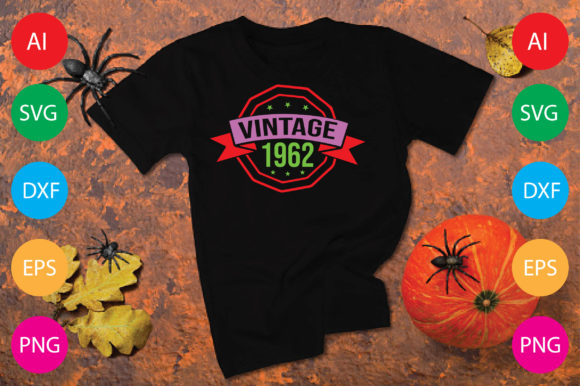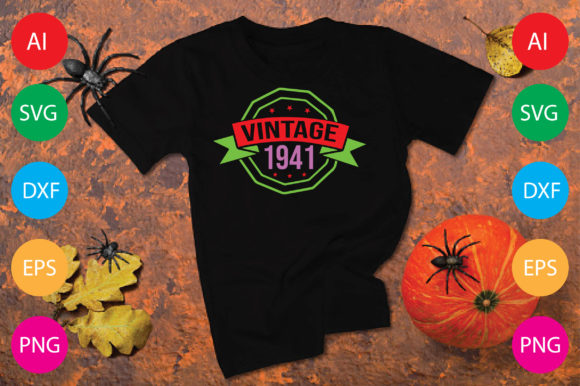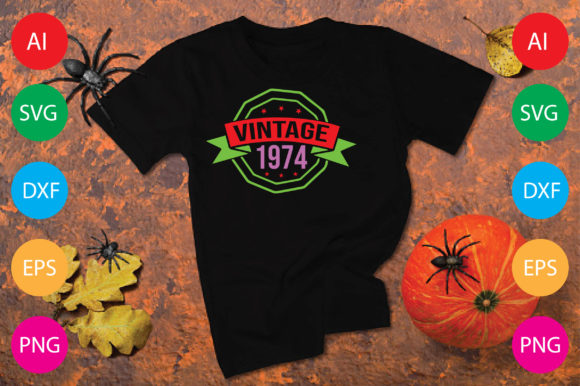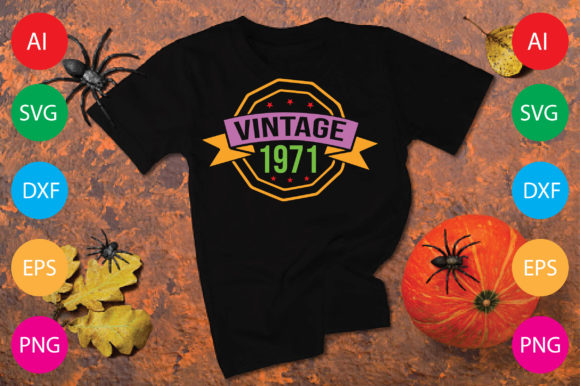
Vintage 1938: A Thoughtful Embroidery Review
First Impressions: Charm Without Clutter
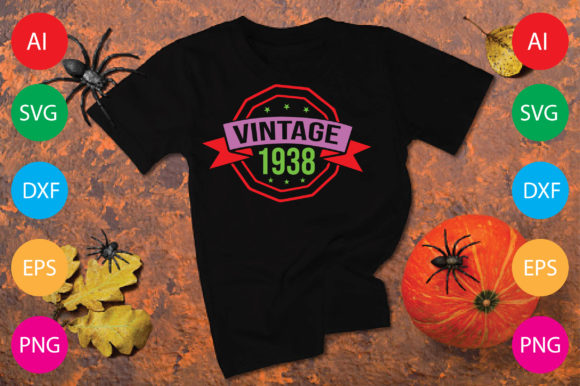
Opening the Vintage 1938 design for the first time, I felt that quiet satisfaction you get when a graphic *just fits*—no overcomplication, no forced nostalgia. It’s not shouting “vintage!” with distressed textures or heavy grunge overlays. Instead, it leans into clean line work, balanced proportions, and subtle period-appropriate detailing—think streamlined typography, gentle curves, and restrained ornamentation. As a machine embroidery design, its strength lies in restraint: it doesn’t demand dense fill stitches or micro-detailing that frays on cotton twill. That makes it unusually versatile—not just for T-Shirt Designs, but for anything where clarity and wearability matter.
Real-World Test: A Custom Embroidered Tote for a Local Bakery
Last week, I used Vintage 1938 to embroider a medium-weight canvas tote for a neighborhood sourdough bakery. Their branding is warm but modern—no kitsch, no clichés—and they wanted something timeless enough to stay relevant through seasons and staff changes. I chose a 4-inch hoop, medium-weight cutaway stabilizer, and matte cotton thread in deep olive and cream. The result? Crisp satin stitch outlines held beautifully, and the open negative space within the letterforms prevented puckering on the textured fabric. Customers noticed it immediately—not because it was loud, but because it looked *intentional*. That’s the quiet power of Vintage 1938: it elevates a handmade product without overwhelming it.
Where It Shines (and Where It Needs Care)
Vintage 1938 works exceptionally well for:
- Sweatshirt embroidery—its moderate height and generous spacing avoid thread buildup on fleece backs
- Embroidered patches—clean edges translate reliably to heat-applied or sewn-on versions
- Baby embroidery—soft curves and minimal fine lines mean fewer snag points on delicate onesies
- Holiday embroidery—pair it with classic red-and-cream thread for vintage-style kitchen towels or aprons
- Commercial embroidery—scalable vector files (SVG, EPS, AI, DXF) hold up across sizes without pixelation
But be thoughtful about these scenarios:
- Small hoop sizes (under 3 inches): Some letterforms tighten at smaller scales—test before committing to a cap or baby cap project.
- Stretchy fabric: While the layout avoids long running stitches, always use tear-away + cutaway combo stabilizer on knits.
- Dark fabric: The design’s mid-weight line weight reads clearly, but avoid light thread on black unless you’re confident in your machine’s tension control.
- Curved surfaces: On baseball caps, simplify by omitting optional decorative flourishes—focus on the core wordmark for best stitch integrity.
What It Adds to Your Finished Product
Using Vintage 1938 isn’t just about placing a logo—it’s about reinforcing trust. Customers associate clean, well-proportioned typography with care and consistency. On an Etsy listing for personalized gifts, this design helps position your shop as curated, not cluttered. For small shop products like boutique tea towels or nursery decor, it reads as heirloom-quality—not mass-produced. And because it avoids trendy embellishments, it won’t date quickly. That longevity matters whether you’re selling embroidered pillow covers today or re-listing the same design assets next year.
Designer Notes You’ll Actually Use
Before stitching your first Vintage 1938 project:
- Test on scrap fabric first—especially if using textured weaves or blends. Stitch density matters more than file size here.
- Check thread color contrast in natural light. What looks balanced on screen may fade on oatmeal linen or disappear on navy chambray.
- Review small details in black-and-white mockups. This design relies on shape recognition, not color—so if it reads clearly in grayscale, you’re golden.
- Compare light and dark fabric backgrounds side-by-side. Its balanced weight handles both, but confirm legibility at your intended size.
- Use proper stabilizer—not just for hold, but for surface smoothness. A slight ripple under satin stitch ruins the vintage polish.
- Confirm licensing before selling finished items or bundling Vintage 1938 into digital embroidery kits. Since this is a digital embroidery file only, rights aren’t implied—you’ll need to verify scope directly with the seller.
Final Thought: Not Just a Graphic—A Design Decision
Vintage 1938 isn’t flashy. It won’t win contests for complexity or stitch count. But as a Graphics asset built for real-world use, it delivers something rarer: reliability. It behaves predictably across fabric types, holds up after repeated washing, and communicates warmth without leaning on cliché. Whether you’re an Etsy seller building a cohesive brand, a craft business embroidering custom aprons for chefs, or a maker stitching holiday gifts for friends, this design earns its place—not because it’s new, but because it’s thoughtfully made for what comes after the download: the needle, the thread, the fabric, and the person who’ll hold the finished product in their hands.